
Part Four -
The economic impact of the retail marijuana industry is significant. Legalization has opened up a new market that was once underground and untaxed, leading to job creation and increased revenue for states. In Colorado, one of the first states to legalize recreational marijuana in 2014, the industry generated $2.2 billion in sales in 2020 alone.
Furthermore, cannabis tourism has emerged as a new sector due to legalization. In states such as California and Colorado where marijuana is legal, tourists are flocking to experience this new form of tourism. The industry has also created opportunities for ancillary businesses such as edibles manufacturers, packaging companies, and security firms.
However, there are still challenges that come with the retail marijuana industry's economic impact. Marijuana remains illegal at the federal level which can limit access to banking services or make it difficult for businesses to operate across state lines. Additionally, high taxes on cannabis products can drive consumers back towards the black market where prices may be lower.
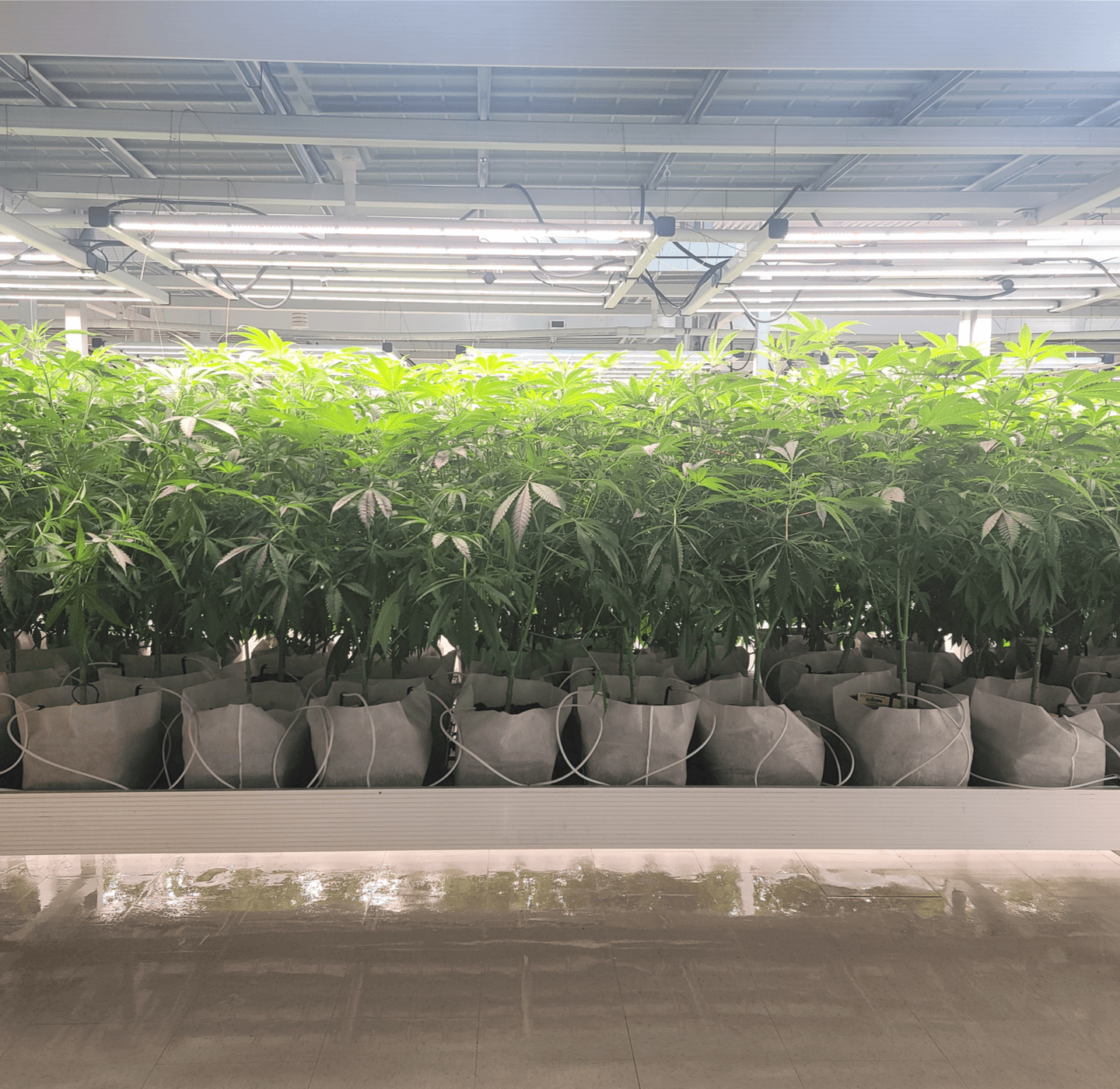
It has been said that buying cannabis from your local distributor can sometimes be more beneficial to the local community because they would most likely spend their money at local businesses in and around their neighborhood.
Whereas dispensary's sales tax would go to a more broader area of interest and infrastructure and not necessarily the immediate community you live and work. Some skeptics would also argue that politics, favors, and the mishandling of cannabis tax dollars are other reasons to support local, rather than corporate.